Headlines and Takeaways from Geneva Fall Auctions
Auctions
Headlines and Takeaways from Geneva Fall Auctions

The Geneva fall auctions closed on a note of contrasts. It revealed a largely level market punctuated by a few sharp highs. Across the sales, bidding was deliberate rather than frenzied, suggesting a collector landscape that has matured after years of exuberance. Yet when watches of genuine horological consequence appeared, they still commanded emphatic attention.
What emerged, then, was a quieter, more confident market, where horological content, rarity and historical resonance have once again become the true measures of value.
Where the Money Went
The undisputed star of the season was a stainless steel Patek Philippe Perpetual Calendar Chronograph Ref. 1518 from 1943, the first of four steel examples made. It achieved CHF 14,190,000 at Phillips, becoming the most expensive vintage Patek Philippe wristwatch ever sold at auction. The 1518 was launched in 1941, amid the backdrop of WWII, becoming both Patek’s and the world’s first perpetual calendar chronograph to be produced in series. The 1518 and its successor, the 2499, which shared the same Valjoux Caliber 13 fitted with a Victorin Piguet perpetual calendar module, remained the only perpetual calendar chronographs for nearly half a century. Its technical and historical significance and the rare and unusual use of steel for a high complication combine to make it one of the most coveted timepieces ever created. Similarly, a pink-on-pink Ref. 1518 from 1947, one of approximately 15 known examples out of just 55 produced in rose gold, also achieved a remarkable result of CHF 3,569,000.
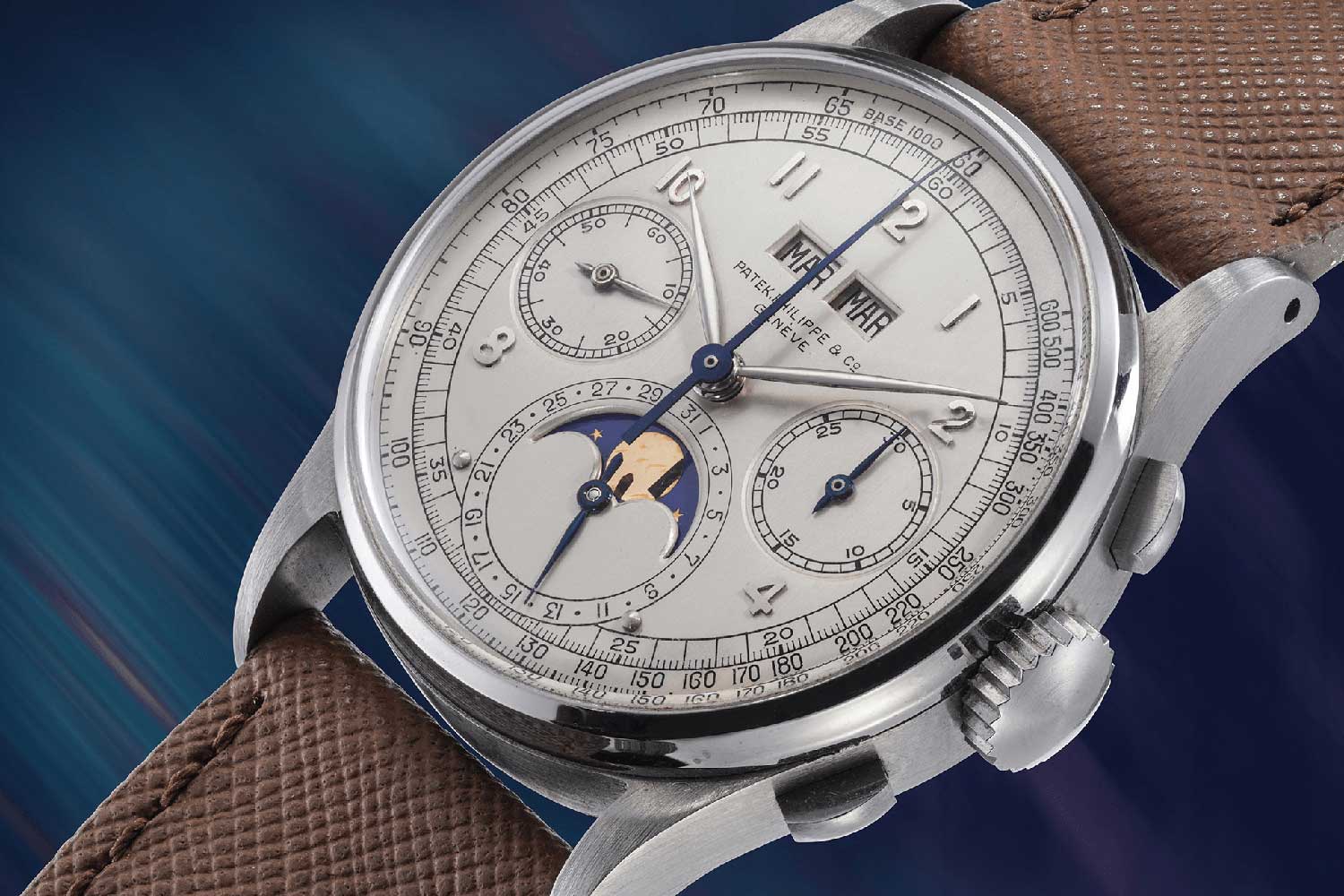
Patek Philippe Perpetual Calendar Chronograph Ref. 1518 from 1943 (Image: Phillips)
Complicated pocket watches were a particular highlight. The grand complication by J. Player & Son, completed in 1908, brought CHF 2,238,000. This is the same London firm responsible for the astronomical super complication pocket watch made for J. P. Morgan, and the family resemblance is unmistakable. It was made with unapologetic ambition, combining a carillon minute repeater, grande and petite sonnerie, split-seconds chronograph, tourbillon, moon phases, equation of time, alarm, power reserve indicator and thermometer.
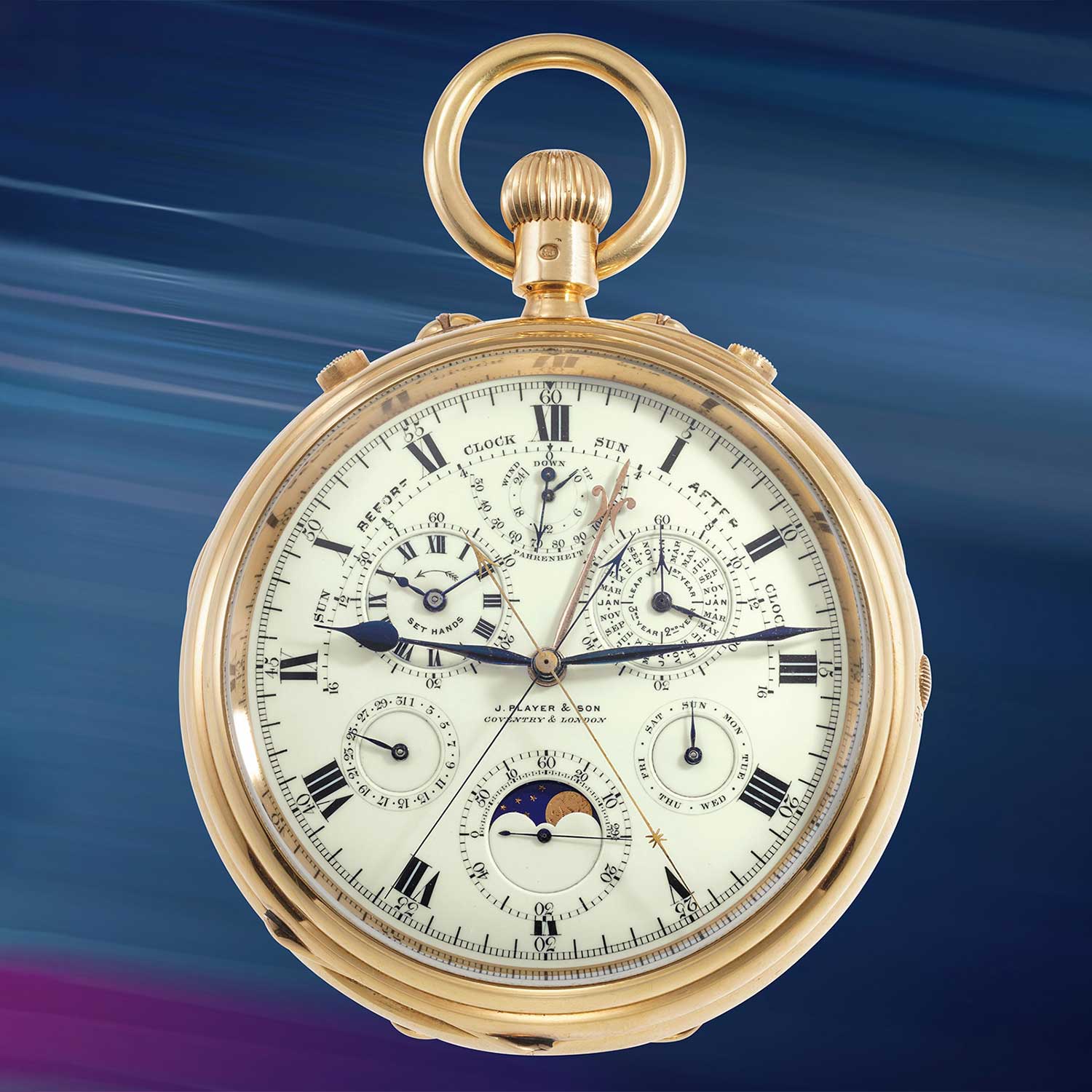
Hyper Complication by J. Player & Sons, circa 1907 (Image: Phillips)
Elsewhere, at Sotheby’s Breguet 250th Anniversary sale, the Breguet pocket watch No. 1890, fitted with a fusée-and-chain, four-minute tourbillon and natural escapement, realised CHF 1.88 million. It went to none other than François-Paul Journe who will give it pride of place in his forthcoming museum, where it will join Sympathique no. 1. Only eight four-minute tourbillons with natural escapement were made, and just three feature a gold dial. This example belongs to that rarefied group, and beyond that, it represents Breguet’s evolving experiments in refining the natural escapement.
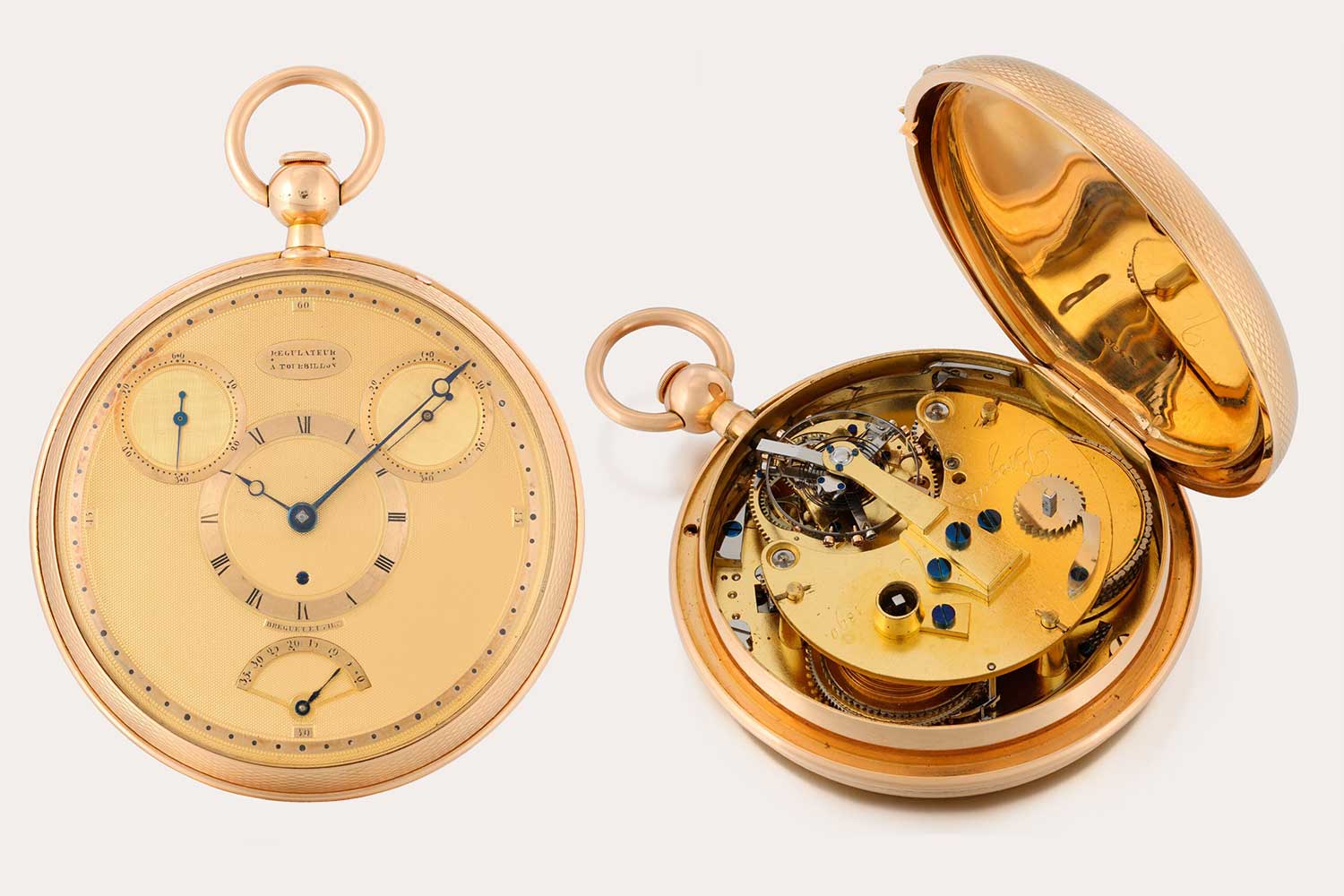
Breguet No. 1890 (Image: Sotheby’s)
The tourbillon of No. 1890 is beautiful and mechanically fascinating. Because it completes one rotation every four minutes rather than the usual one minute, the gearing had to be reworked, requiring an intermediate wheel to be integrated within the cage to drive the escape wheel. The natural escapement itself departs from Breguet’s original design, having been modified to reduce inertia and eliminate flutter in the secondary escape wheel. In this configuration of his, the first escape wheel carries 12 teeth and is driven by a wheel beneath, which also powers a pinion that carries a three-tooth escape wheel above. The three-tooth escape wheel impulses the balance directly while an additional upper three-tooth wheel locks and unlocks the lever. The larger escape wheel, on the other hand, features vertical teeth to lock the lever. Such a configuration was extremely complex and costly to produce in his time and a testament to his restless ingenuity. It is a watch that bridges theory and execution, and its significance would have resonated with Journe, who created his own version of Breguet’s natural escapement.
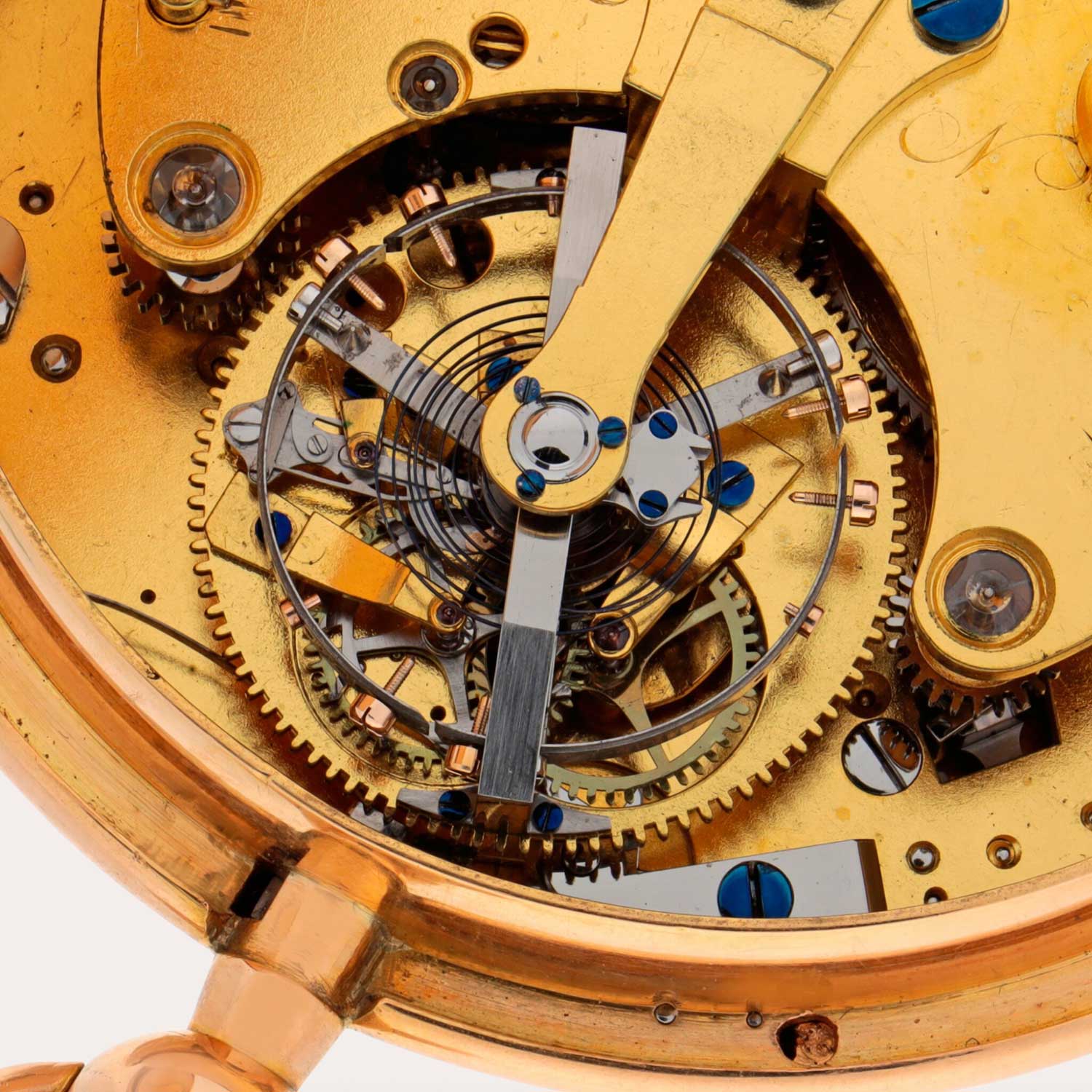
Closed up on the tourbillon (Image: Sotheby’s)
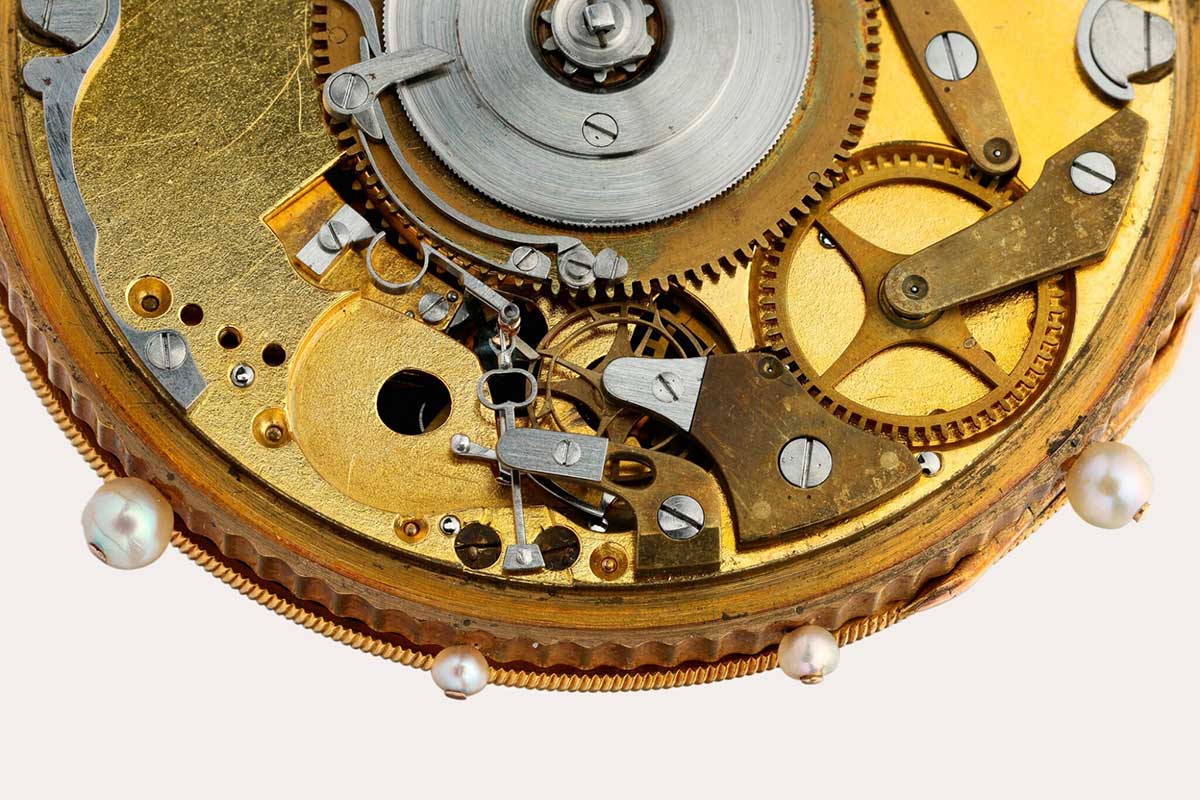
Another standout from the same sale was Breguet no. 1052, a montre à tact adorned with pearl touch pieces along the case edge, which went for CHF 838,200. It was made for the Duc de Praslin, one of Breguet’s most important patrons and was sold in 1802. Its revolving back is engine-turned and coated in translucent grey enamel, with a single tact hand indicating the time, allowing it to be read discreetly by touch in relation to the pearls. The movement follows the architecture of his souscription calibres. But while most souscription and tact watches were equipped with a ruby cylinder escapement of Breguet’s own design, no. 1052 is equipped with a previously unknown co-axial double-wheel escapement – akin to a Robin escapement – a configuration absent from George Daniels’ The Art of Breguet. It is a detached escapement with a hybrid impulse system; one impulse is delivered directly to the balance wheel while the other is given indirectly by means of a lever. Its discovery adds a new chapter to Breguet scholarship and highlights the depth of experimentation that continued throughout his work.
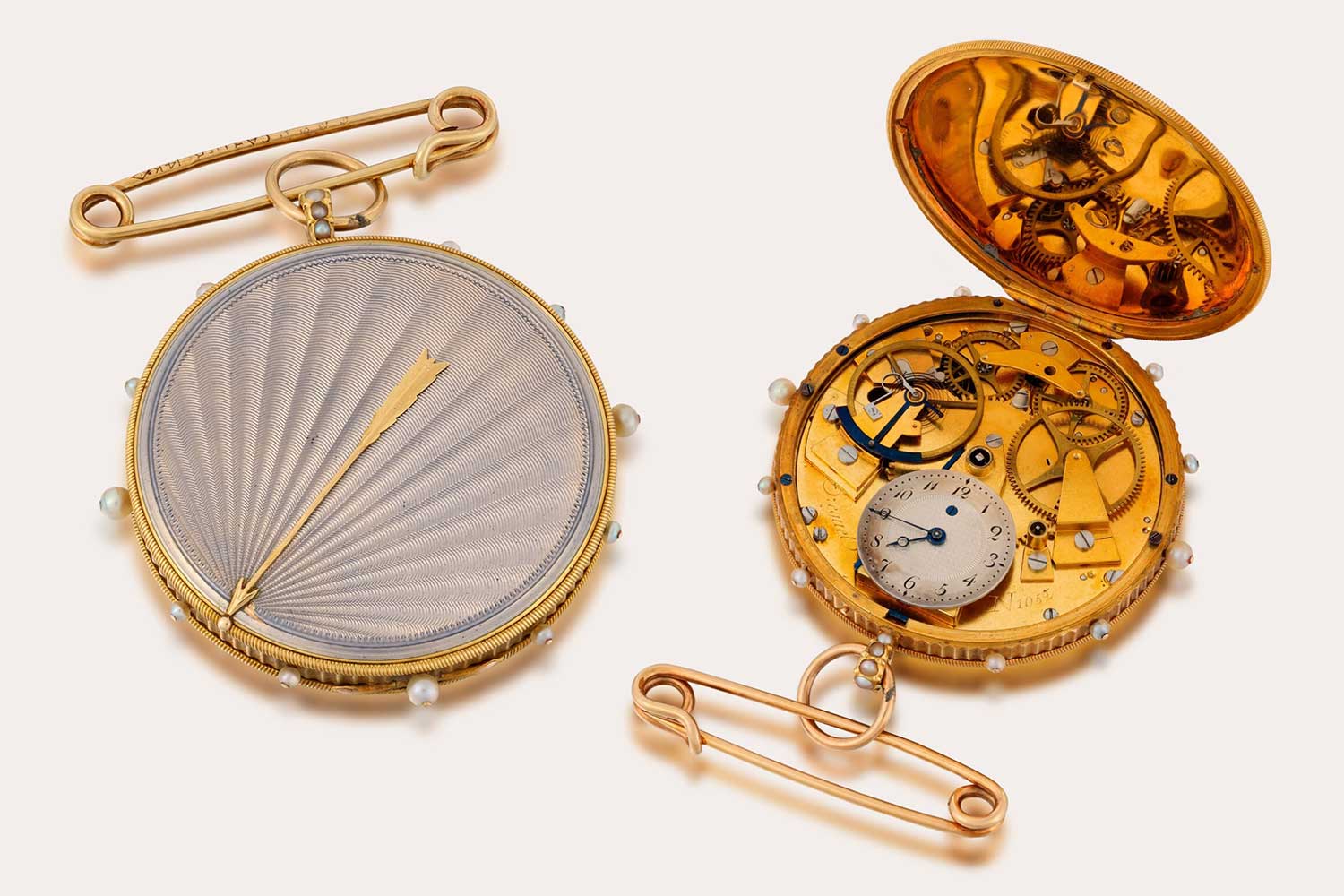
Breguet No. 1052 (Image: Sotheby’s)
Overall, the Breguet sale demonstrated that historical importance, technical originality and rarity remain the primary drivers of value, even for Breguet’s original works. The results reveal a collector base that is highly knowledgeable and discriminating, rewarding genuine horological innovation while showing restraint toward more commonplace pieces. The quarter- and half-quarter-repeating pieces, for instance, drew only modest prices. Though they occupy an important place in the history of chiming watches, Breguet produced them in comparatively large numbers. This perhaps suggests that while collectors recognise their historical importance as foundations of Breguet’s early production, enthusiasm is reserved for pieces that combine technical ingenuity, his signature elegance with rarity. For instance, No. 4579, an unusual montre à tact with moon phase and full calendar, which went on to inspire the modern Breguet wristwatch No. 3330, brought CHF 508,000, while No. 3168, a split-seconds stopwatch of marine chronometer quality, sold for CHF 330,200. No. 4548, a self-winding Perpétuelle à tact made for King George IV, reached CHF 762,000, proving royal provenance still commands a premium.
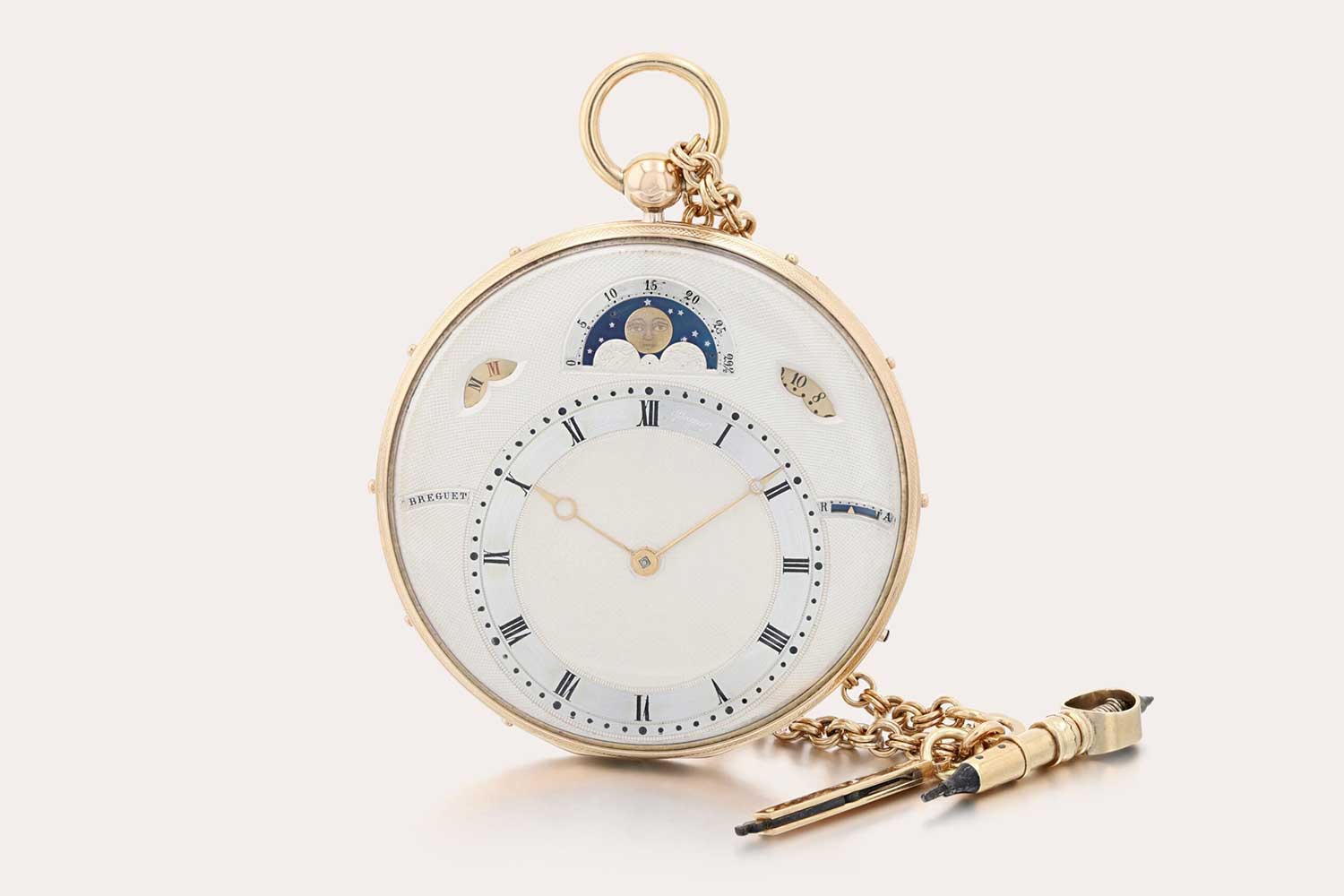
Breguet No. 4579 (Image: Sotheby’s)
Finally, No. 3225, the pendule à trois roues made by George Daniels in 1968, achieved CHF 1.88 million, matching the price of Breguet’s own four-minute tourbillon No. 1890. It is one of two replicas he created of Breguet’s ingenious three-wheel clock and remained on the mantelpiece in the drawing room of his Riversdale home until his death. Built on principles of precision, clarity and mechanical economy, the weight-driven clock uses a three-wheel train to display the equation of time alongside both the Gregorian and French Revolutionary calendars. The result affirms not only the enduring relevance of Breguet’s philosophy but also Daniels’s ability, as his truest modern heir.
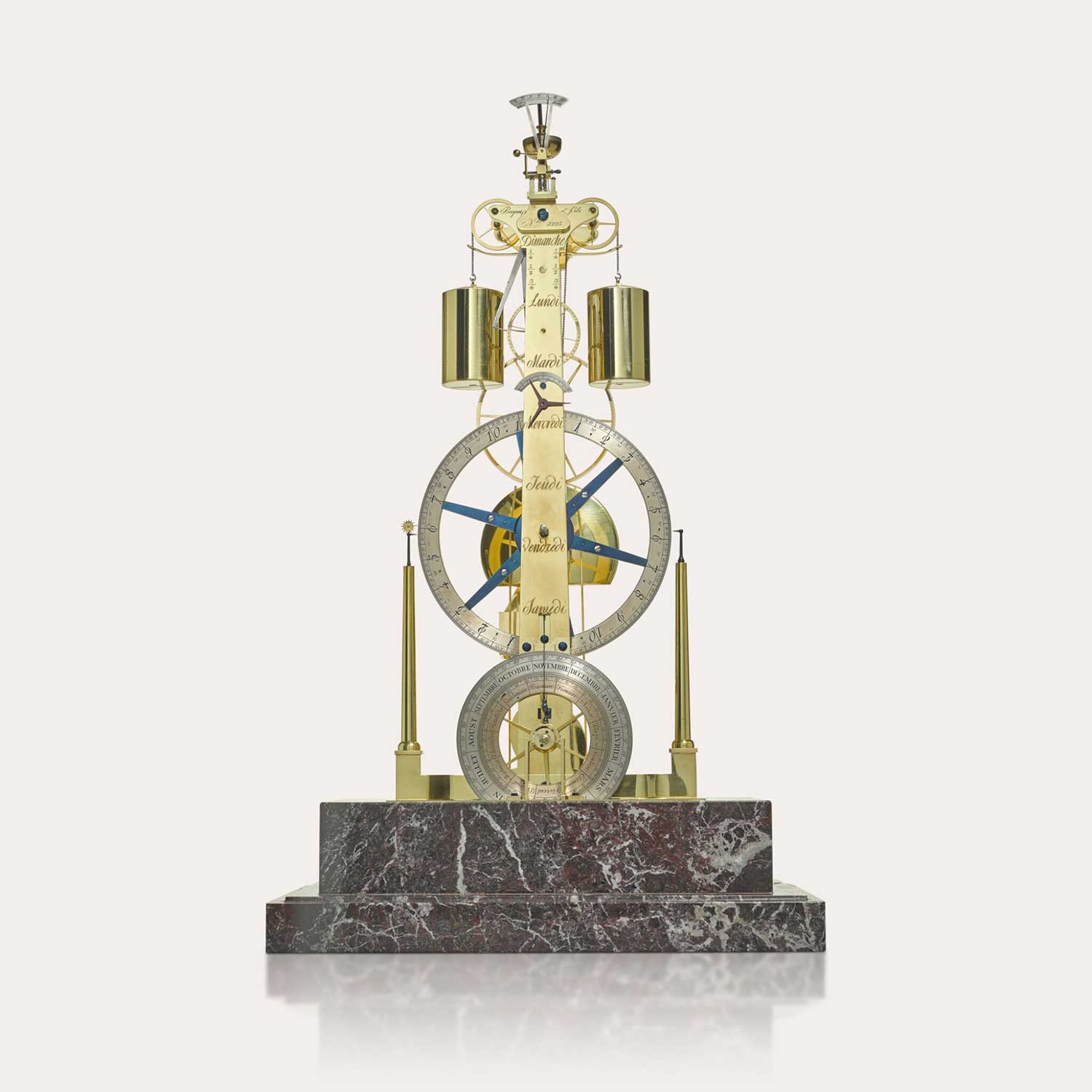
Breguet No. 3225 (Image: Sotheby’s)
Most patently, the sale demonstrated that when provenance, rarity and technical importance align, pocket watches can rival wristwatches in value.
Cooled Mainstream, Warm Independents
Contemporary watches from major brands saw muted interest in general, and most vintage pieces traded within expectations. However, independent watchmaking defied the general cooling. F.P. Journe in particular dominated proceedings once again. The Chronomètre à Résonance Souscription no. 2 soared to CHF 3,327,000 at Phillips, while even modern pieces such as the F.P.Journe Tourbillon Souverain TN “Régence Circulaire” produced in 2019 managed CHF 1,693,500 – a record for a TN model. It is proof that his blend of conceptual purity and mechanical intellect remains one of the few contemporary pillars of blue-chip collecting.
-
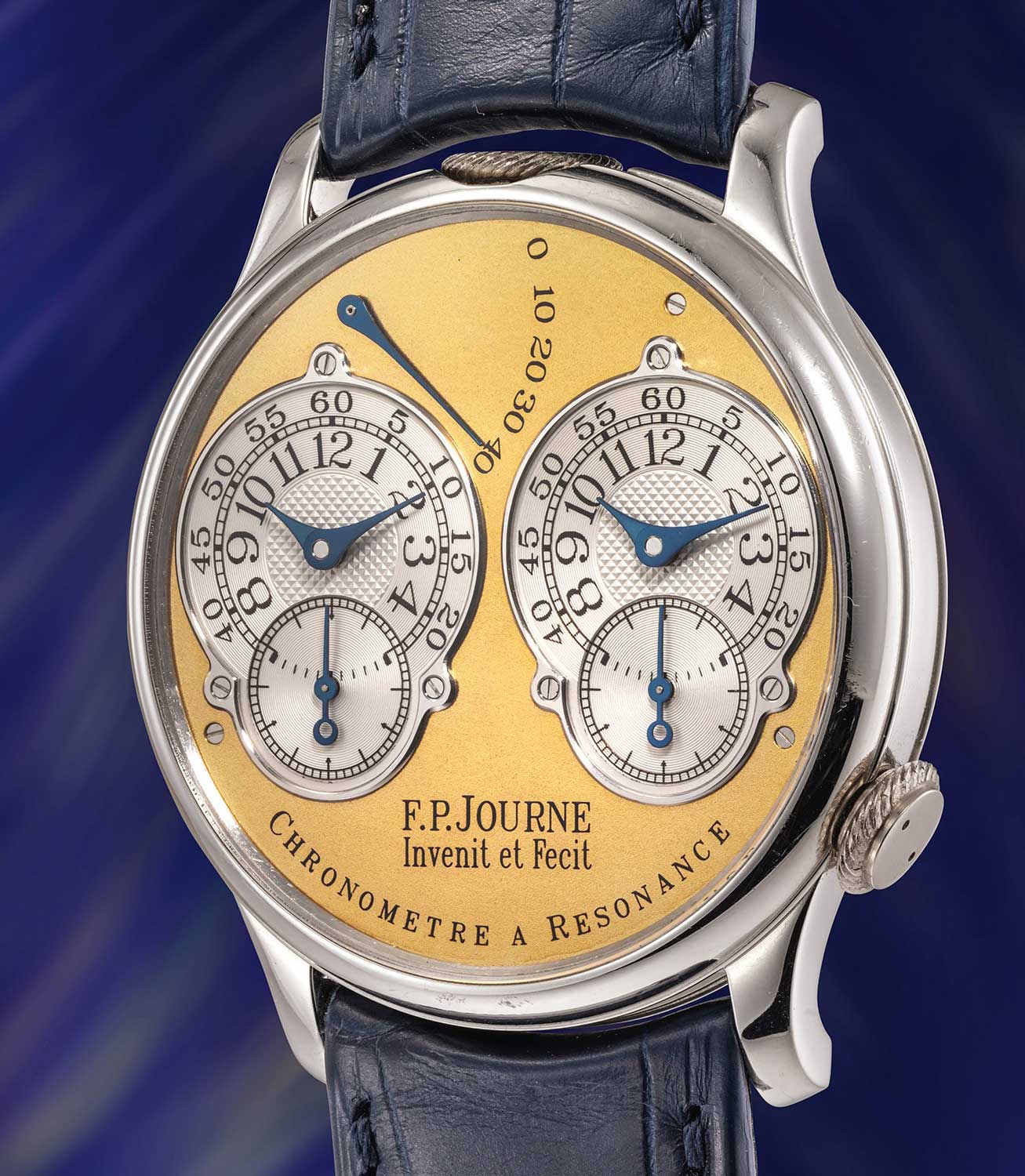
- Chronomètre à Résonance Souscription no. 2 (Image: Phillips)
-
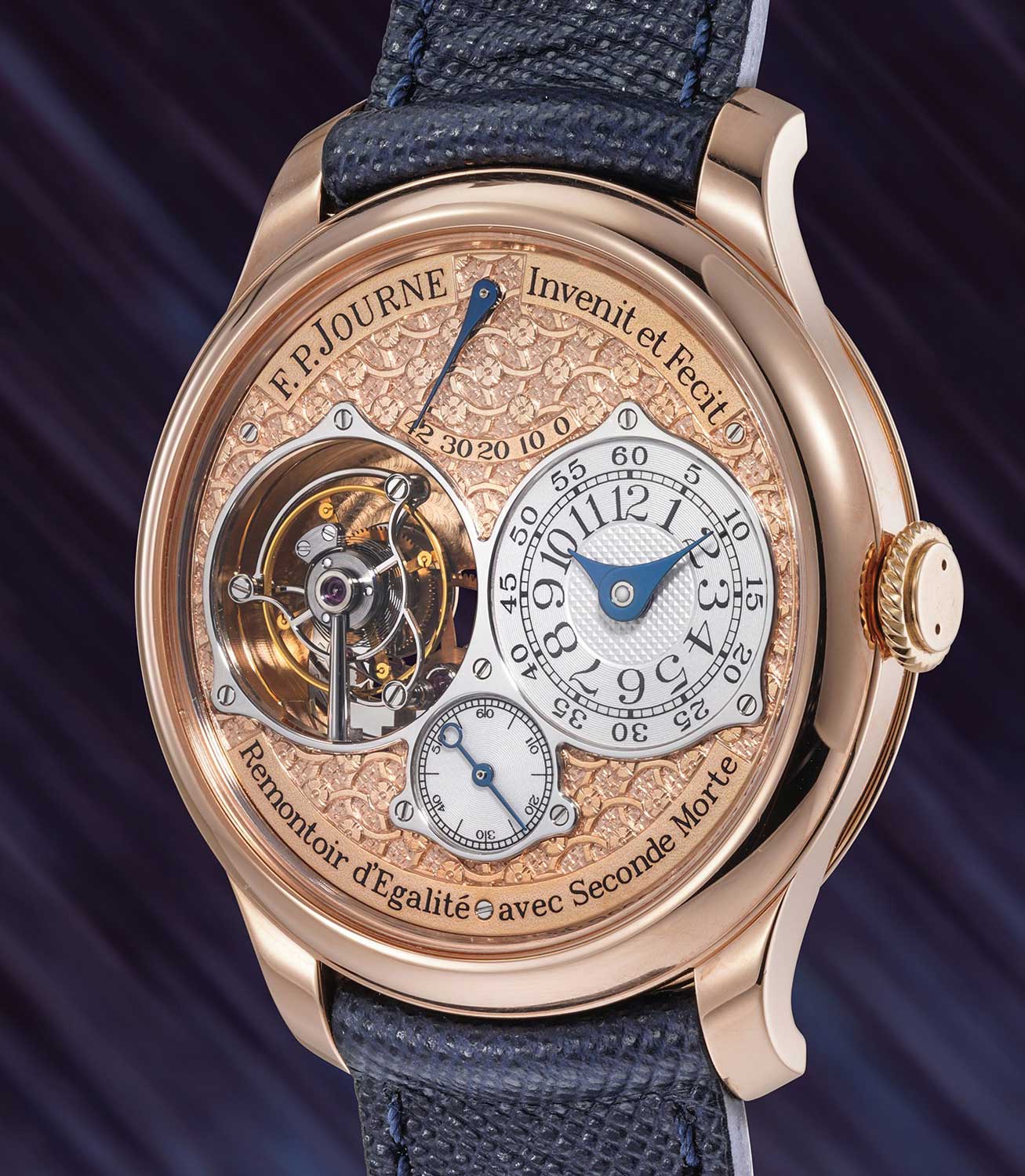
- F.P.Journe Tourbillon Souverain TN “Régence Circulaire” (Image: Phillips)
The unique, newly completed Ferdinand Berthoud “Naissance d’Une Montre 3” realised CHF 1,270,000, setting a new auction record for the brand, though considering what went into it, the result still seems measured. A 2006 Christian Klings Tourbillon No. 7 followed with CHF 889,000, establishing the highest price ever achieved for a Klings timepiece at auction. Among the other standouts was a unique Urban Jürgensen Minute Repeating Perpetual Calendar Tourbillon in platinum, which sold for CHF 635,000.
-
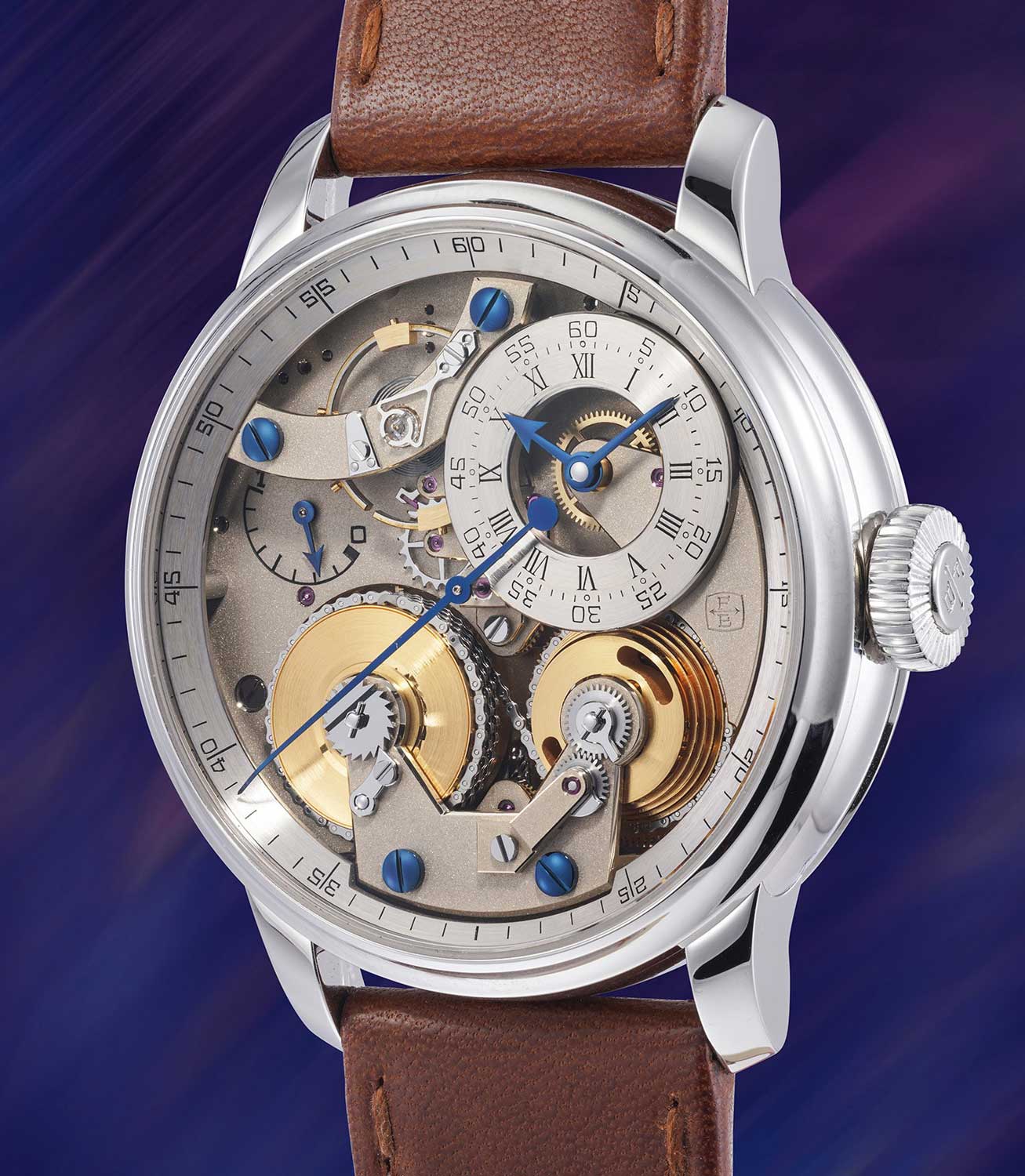
- Ferdinand Berthoud “Naissance d’Une Montre 3” Image: Phillips)
-
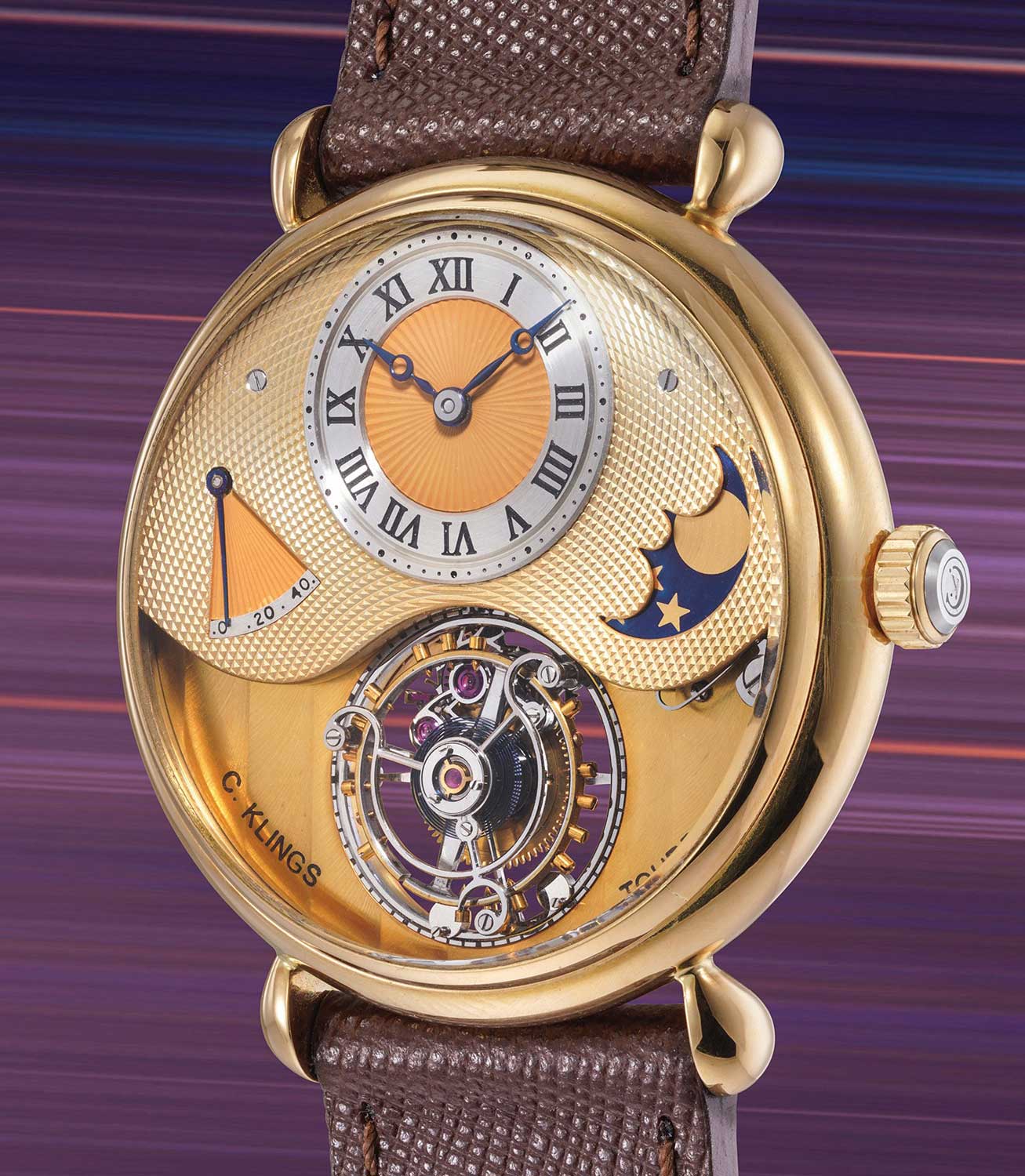
- Christian Klings Tourbillon No. 7 Image: Phillips)
However, even within the thriving market for independent watchmaking, collectors remain discerning and highly selective. Watches that demonstrate genuine mechanical originality, craftsmanship and historical continuity with traditional horology continue to attract the strongest interest, while those lacking in any one aspect see far more measured demand.
A Selective, Mature Market
Activity elsewhere was subdued. Much of the vintage field felt tepid. Even historically significant watches, such as the 1927 Rolex “Companion Oyster” worn by Mercedes Gleitze, traded at the lower end of estimates. It may be a reminder that heritage alone no longer guarantees frenzy. There were a few bright spots. The Rolex Paul Newman Daytona ref. 6239 “Golden Pagoda” sold for CHF 1,079,500, setting a record for the configuration, while a ref. 6263 “Oyster Sotto” went for CHF 1,391,000. Most astonishingly, a Patek Philippe ref. 3424/1 “Gilbert Albert” in platinum with a diamond-set bezel went for a staggering CHF 812,800.
-
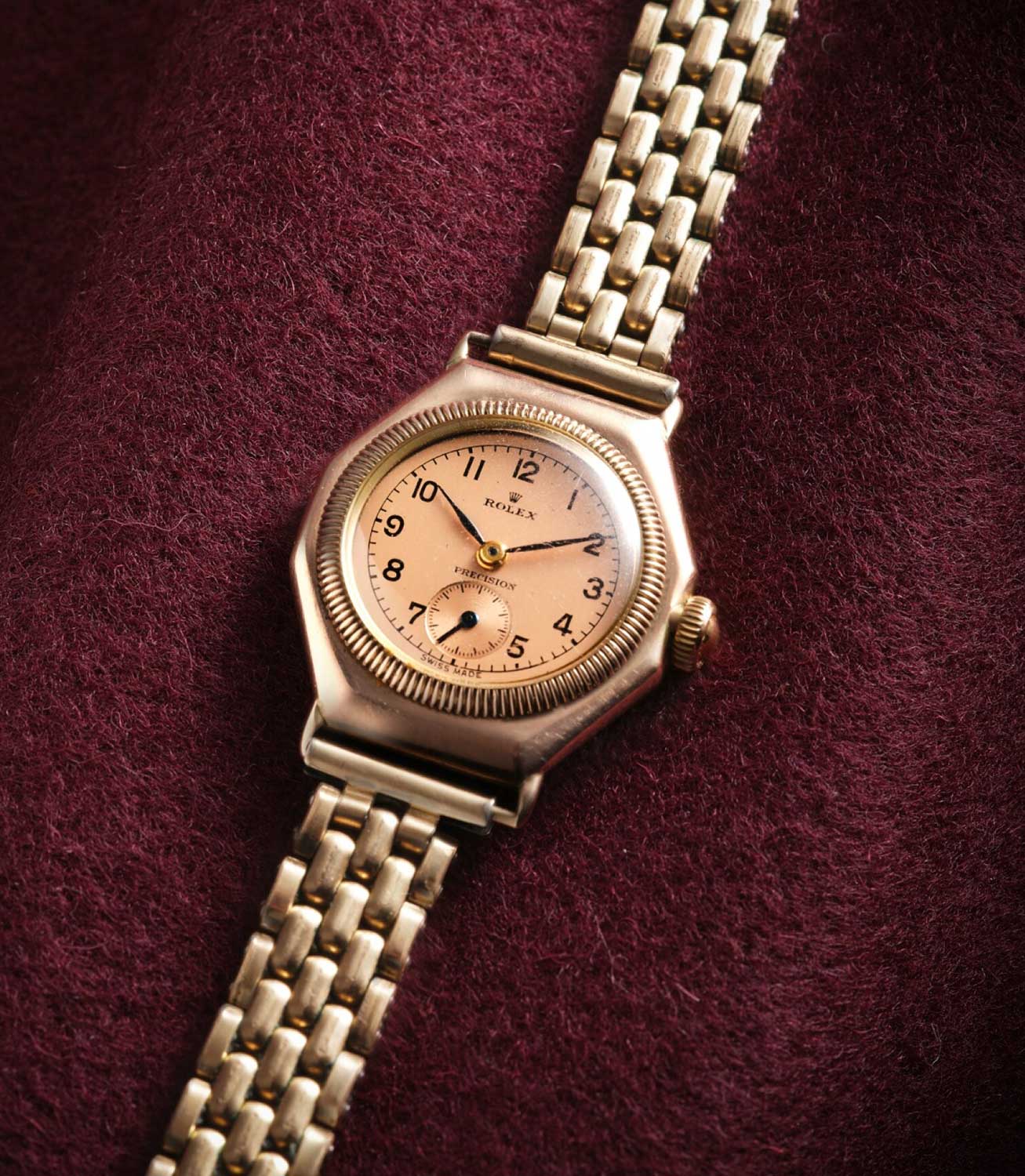
- Rolex “Companion Oyster” worn by Mercedes Gleitze (Image: Sotheby’s)
-
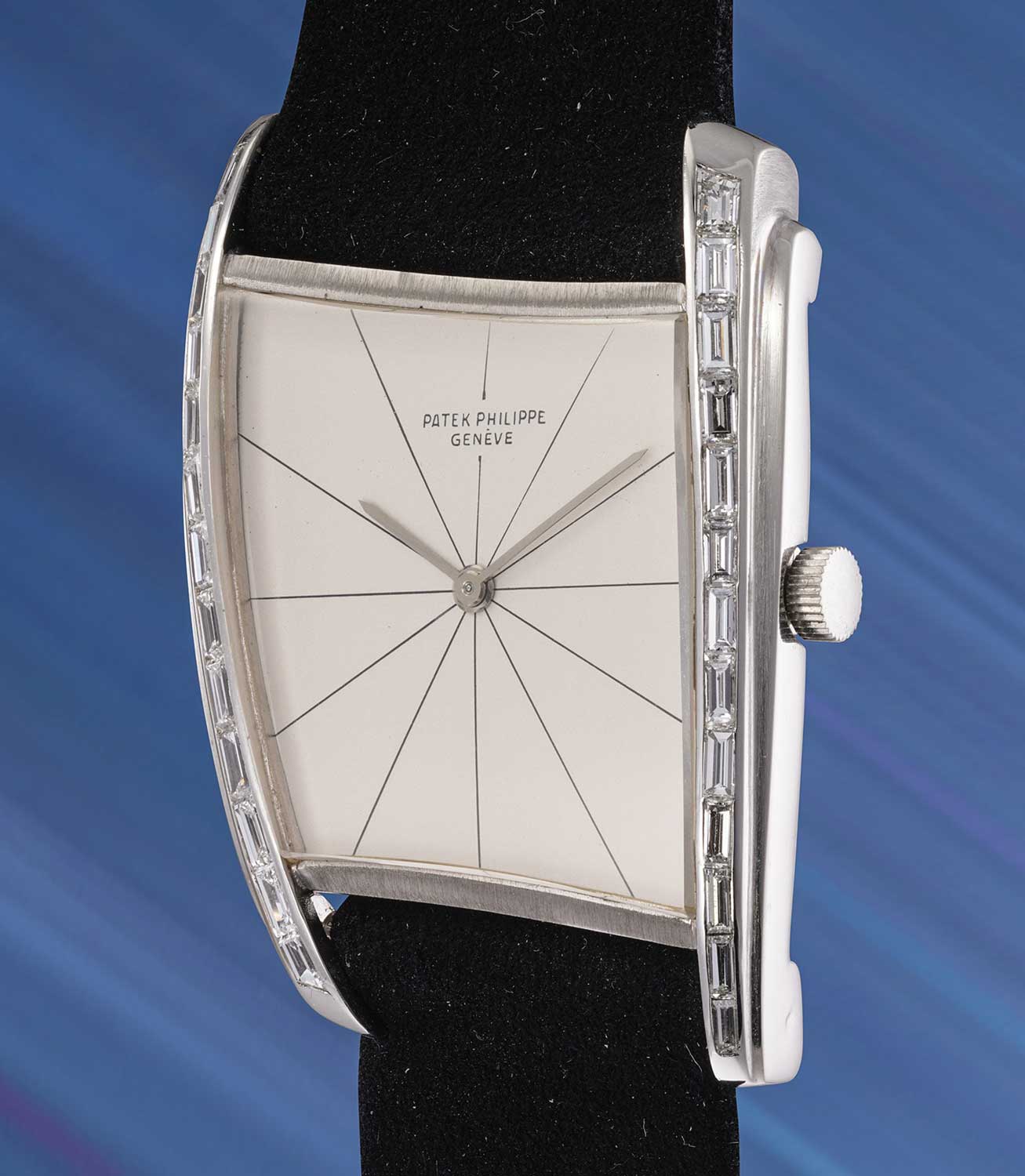
- Patek Patek Philippe ref. 3424/1 “Gilbert Albert”Philippe ref. 3424/1 “Gilbert Albert” (Image: Phillips)
Overall, the season revealed a collector landscape that is more mature and discerning. Interest gravitated towards watches of genuine mechanical and historical importance. The speculative wave has receded, leaving behind a market defined less by hype, a market where substance, once again, speaks loudest.
You may also like
Editorial
Holiday Horology: Something Old, Something New, Something Special — Joyceline Tully, Revolution Asia Editor-in-Chief
Dec 20, 2025
Editorial
Holiday Horology: Something Old, Something New, Something Special — Joyceline Tully, Revolution Asia Editor-in-Chief
Dec 20, 2025

Editorial
Holiday Horology: Something Old, Something New, Something Special — Constant Kwong, Head of Partnerships and Video Content
Dec 19, 2025
Editorial
Holiday Horology: Something Old, Something New, Something Special — Constant Kwong, Head of Partnerships and Video Content
Dec 19, 2025
Editorial
Holiday Horology: Something Old, Something New, Something Special — Tracey Llewellyn, Group Editorial Director
Dec 18, 2025
Editorial
Holiday Horology: Something Old, Something New, Something Special — Tracey Llewellyn, Group Editorial Director
Dec 18, 2025