
The Revolutionary List – 26 Inspirational Leaders: Cyrille Vigneron
Editorial
The Revolutionary List – 26 Inspirational Leaders: Cyrille Vigneron

This year, Revolution turns 20. Two decades of chronicling watches, people and ideas have given us a front-row seat to a remarkable story: how an age-old craft has both preserved its soul and reinvented itself for the 21st century. To celebrate, we’ve chosen over 100 names and milestones that, for us, define the era so far. From leaders to watches, you can see the whole list here.
I might get some criticism for saying “Cyrille Vigneron saved Cartier,” but I stand by the statement. When he took over Cartier, which was at one point the luxury world’s second biggest watch brand, it was faltering. It simply didn’t know what it wanted to be. It had tried to become a rugged steel sports watch brand to take on the likes of Rolex and Omega, with models like the Calibre de Cartier and Drive de Cartier. And, at the same time, it decided to combat with the likes of Patek Philippe, Audemars Piguet and Vacheron Constantin in complicated watchmaking, tapping the brilliance of Carole Forestier-Kasapi. Yet those watches were, to a large extent, not well received by customers. That is not to disparage the talents of Forestier-Kasapi, whom I consider a genius. But it is a demonstration that when you deviate from your core identity, you are left with no identity at all. As a result, the desirability for Cartier watches all but flatlined.
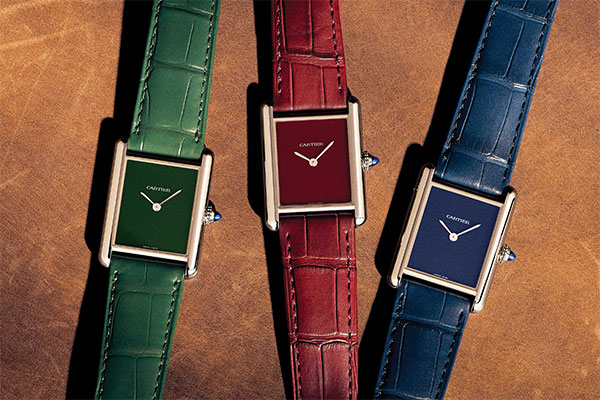
The Cartier Must de Cartier
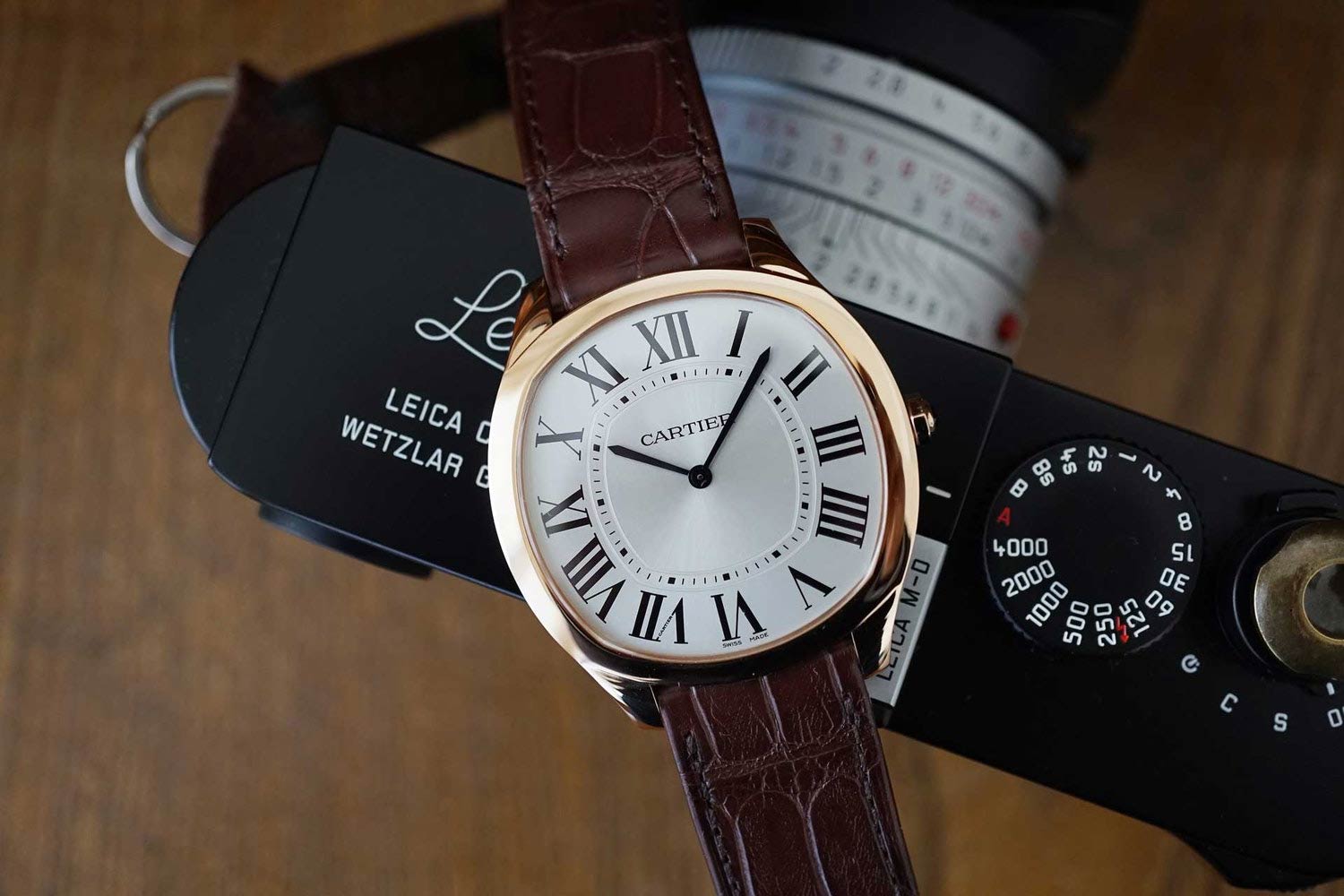
Drive de Cartier (Image: George Cramer)
When Vigneron joined, he did something brilliant. Instead of simply applying a new turnaround strategy, he traveled the world, listened to people and understood where Cartier had gone wrong. In so doing, he rapidly identified that Cartier’s unique identity — in his terms, its singularity — was as the King of Elegance, and that elegance never goes out of style. While journalists like Nick Foulkes and myself had pushed for the return of the Collection Privée Cartier Paris (CPCP) project that celebrated the maison’s iconic shapes, Vigneron did us one better by making the entire brand iconic again.
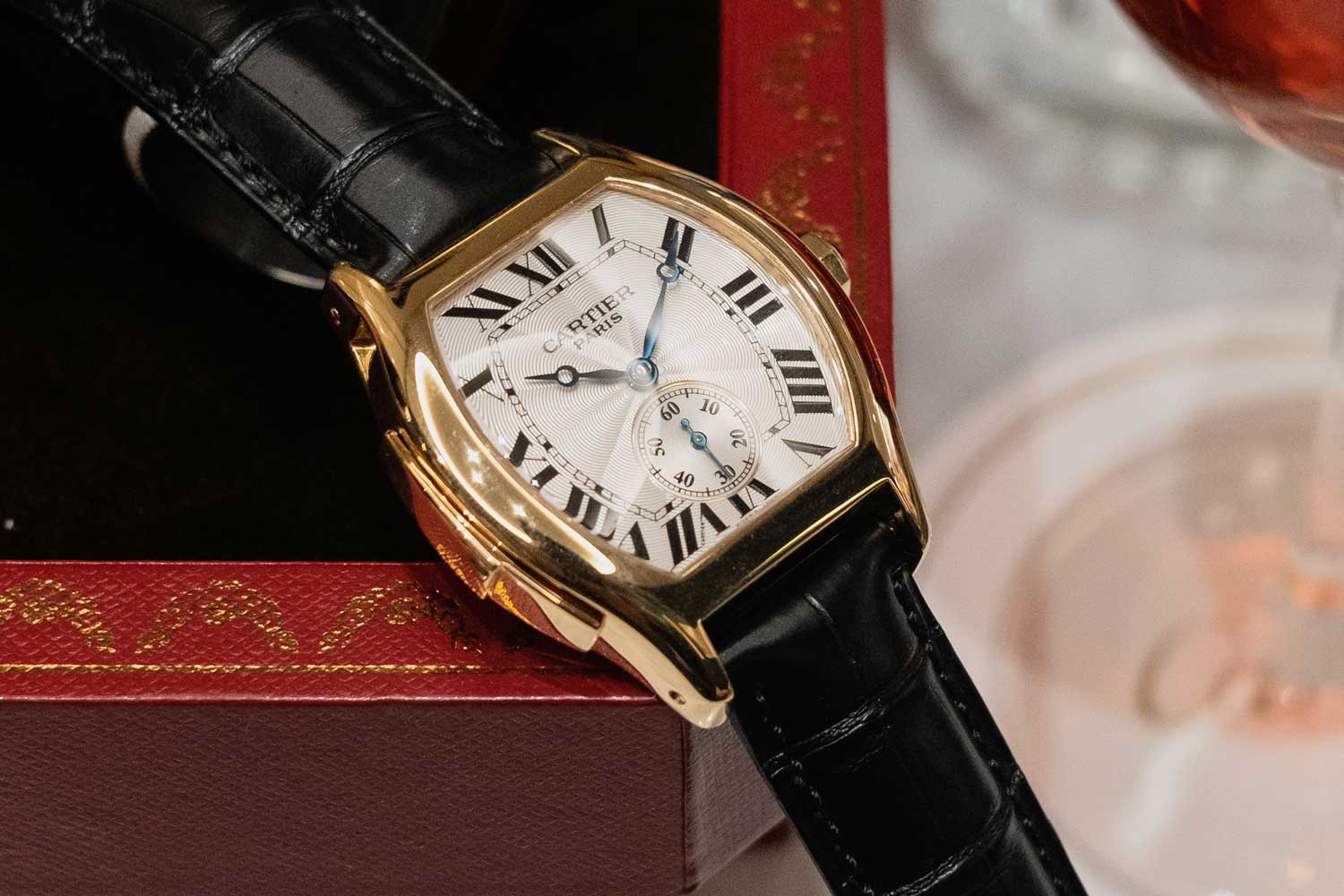
Collection Privée Cartier Paris (CPCP): Tortue Minute Repeater
He also did something that harks back to the success of the brand when it was run by Alain-Dominique Perrin, which was to make it accessible. Said Vigneron to me when I realized that his was one of the most affordable entry-points in watchmaking, “Cartier is both exclusive and democratic.” His success came almost immediately, and soon Cartier had not only reattained its status as the second biggest luxury watch brand after Rolex, but soared to all new heights of success. One immense demonstration of Vigneron’s brilliance is that even in a year that is massively impacted by a diminishment in buyer enthusiasm, Cartier still continues to be highly desirable, in particular by the younger generation.
Perhaps most impressively, Vigneron has done all this while being an absolute example of kindness and politeness, giving us all an example of what a truly incredible new millennium leader should be.
Cartier
You may also like
Editorial
Holiday Horology: Something Old, Something New, Something Special — Felix Scholz, Revolution Australia Editor-in-Chief
Dec 20, 2025
Editorial
Holiday Horology: Something Old, Something New, Something Special — Felix Scholz, Revolution Australia Editor-in-Chief
Dec 20, 2025

Editorial
The Revolutionary List: 25 Watchmakers and Construction – Carole Forestier-Kasapi
Dec 15, 2025
Editorial
The Revolutionary List: 25 Watchmakers and Construction – Carole Forestier-Kasapi
Dec 15, 2025

Editorial
The Revolutionary List: 30 Pioneering Watches – the Cartier Crash Skeleton
Dec 2, 2025
Editorial
The Revolutionary List: 30 Pioneering Watches – the Cartier Crash Skeleton
Dec 2, 2025