



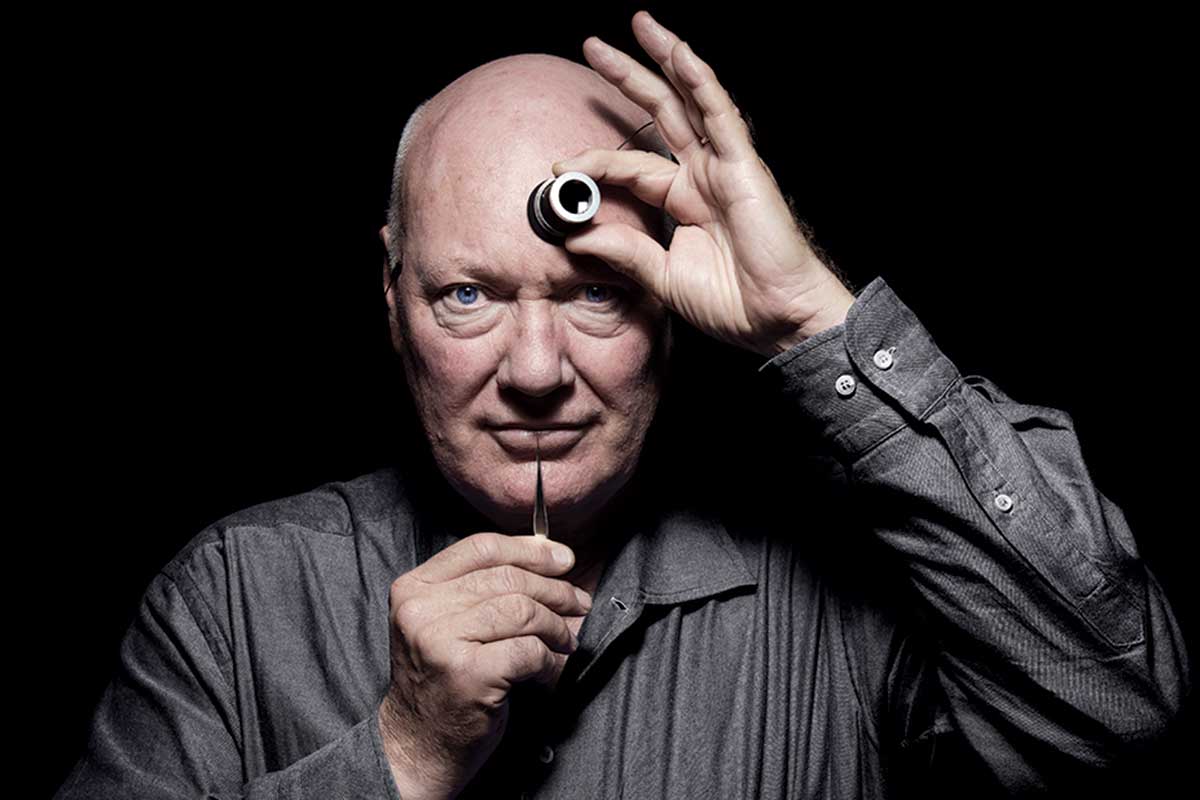
The Revolutionary List – 26 Inspirational Leaders: Jean-Claude Biver
Editorial
The Revolutionary List – 26 Inspirational Leaders: Jean-Claude Biver

This year, Revolution turns 20. Two decades of chronicling watches, people and ideas have given us a front-row seat to a remarkable story: how an age-old craft has both preserved its soul and reinvented itself for the 21st century. To celebrate, we’ve chosen over 100 names and milestones that, for us, define the era so far. From leaders to watches, you can see the whole list here.
It’s often overlooked how massively instrumental Jean-Claude Biver was in the resurgence of mechanical watchmaking. Think about it. Who were the individuals crazy enough to double down on mechanical watchmaking during the Quartz Crisis? The Chaumet brothers with Daniel Roth, Audemars Piguet with their perpetual calendar, Gérald Genta and Pierre-Michel Golay, and, of course, Jean-Claude Biver with Blancpain, which he acquired in 1981 and sold to Swatch Group in 1992.
During his tenure, he staged an amazing renaissance for complicated watches with the partnership of Jacques Piguet. He was also one of the most influential figures of the new millennium through his work with Hublot. While Richard Mille and, to some degree, Audemars Piguet, had introduced the world to modernist watchmaking, Biver’s genius, like that of Steve Jobs, was not to create but to take this trend and make it relatable, cool and accessible to a much wider audience through the Big Bang that celebrates its 20th anniversary this year. While the Big Bang has been the object of some controversy, in my opinion, it is one of the most culturally important timepieces of our era, and with the Gen 1 or even better Gen 2 Unico movement, it is actually a damn mechanically fine watch.
-

- HUB1242 a.k.a. Gen 1 Unico movement
-

- HUB1280 a.k.a. Gen 2 Unico movement
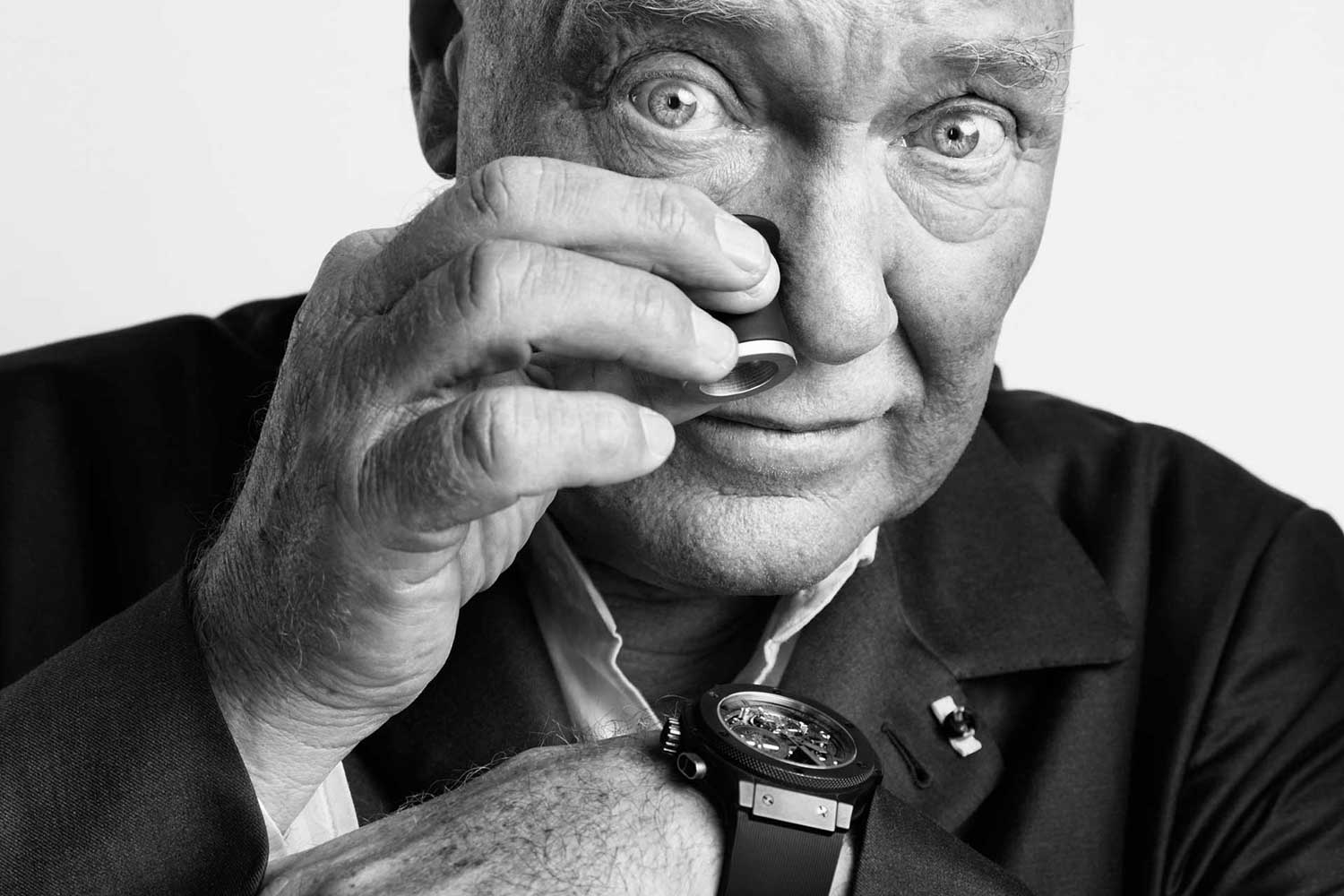
Jean-Claude Biver
Biver also used his watch as a bridge to new cultures, from football through his association with the World Cup to an infinite number of universes. He famously explained that for him, only two entities existed — his customer who was his“King” and his watch who was his“Queen,” and his job was to make them fall in love. So wherever the King went or whatever hobbies the King had, his Queen had to be there. Genius. No individual has established such singular cultural significance in both the 20th and 21st centuries, and for that we must salute Jean-Claude Biver.
You may also like

Limited Edition
An Artistic Evolution
Dec 29, 2025
Limited Edition
An Artistic Evolution
Dec 29, 2025

News
Long Live the Watch Nerds
Dec 24, 2025
News
Long Live the Watch Nerds
Dec 24, 2025

Editorial
Holiday Horology: Something Old, Something New, Something Special — Joyceline Tully, Revolution Asia Editor-in-Chief
Dec 20, 2025
Editorial
Holiday Horology: Something Old, Something New, Something Special — Joyceline Tully, Revolution Asia Editor-in-Chief
Dec 20, 2025